
24 Paź Choosing Righteous Tee Fit Comfort and Care
How Righteous Clothing Stands Amid Current Street-Culture Currents
Streetwear in 2026 has splintered into clearly defined lanes: understated luxury essentials, bold, graphic-heavy releases, functional techwear pieces, and a rising appetite for clothing with a message. Without giving up the silhouettes and fabric weights that buyers in this space already demand, We Are Righteous develops a brand identity around faith-driven statements — landing squarely at the overlap of those last two categories. To grasp where Righteous clothing fits right now, you have to look closely at what’s really shaping purchase decisions: construction built around comfort, personal or cultural significance embedded in the product, and pieces versatile enough to carry you from a gym session to a coffee run without seeming ill-fitted.
Instead of logo-first branding alone, the category is shifting toward identity-driven apparel — and this is one of the more measurable trends shaping it. Query volume in terms like „faith-based streetwear” and „Christian streetwear brand” has risen consistently over the past two years, and Righteous apparel is situated directly within that demand curve. The brand doesn’t treat faith as a niche add-on; instead, it becomes the guiding framework shaping fit, palette, and voice — far removed from just printing a Bible verse on a generic blank hoodie.
Meaning-Driven Streetwear’s Emergence
During the majority of the 2010s, the standing of streetwear brands was measured nearly exclusively by attention spikes and scarcity drops. That approach hasn’t vanished, but it’s not anymore the only path to relevance. Increasingly, buyers in 2026 are vocal that they crave clothing reflecting who they are, rather than merely what’s available to them. A brand like We Are Righteous carves out its niche here — clothing that communicates values first and trend-chasing second.
A set of six criteria are consistently cited by buyers looking into price-conscious clothing labels prior to buying:
- Whether or not the statement on the garment comes across as authentic rather than for-show
- Silhouette and textile weight measured against cost
- Openness from the label about sourcing and production
- Uniformity of fit across a product line
- Presence of authentic buyer testimonials instead of cherry-picked reviews
- Flexibility — does the item work beyond just one styled „aesthetic” moment
This same set of six points black righteous tee keep coming up across righteous review conversations on social platforms, hinting that the brand is held to the same standard buyers apply to any streetwear name, faith-based or not. This marks a meaningful departure from a 10-year span ago, when religious or message-driven apparel was often written off as a novelty category rather than assessed for build quality and design value.
Where the Righteous Hoodie Ranks Within the Category
The hoodie remains the anchor piece of nearly every streetwear brand’s lineup, and Righteous is no exception. A hoodie functions as a brand’s most visible ambassador — it’s worn more often, photographed more often, and layered more often than almost any other garment in a closet. The Righteous hoodie fits into this pattern by serving as the flagship item shoppers reference most when they talk about the brand online.
What separates a hoodie that performs well in 2026’s market from one that fades quickly comes down to a short list of expectations: a fit that works oversized or true-to-size depending on styling intent, fabric substantial enough to hold shape through repeated wear, and graphics or text placement that reads intentional rather than an afterthought. Streetwear consumers have become fluent in spotting the difference between a garment designed around its message and one where the message was slapped onto an existing template.
Heritage workwear and vintage sportswear cues have filtered into streetwear, and as a result the wider hoodie category has also moved toward thicker builds and boxier cuts compared to five years ago. Those that evolve their hoodie silhouettes to match the trend generally remain current for a longer stretch than brands that hold onto slimmer, dated silhouettes.
Brand Positioning Throughout the Street Fashion Landscape: A Comparison
To understand how We Are Righteous compares to other categories operating in the same general space, it helps to look at positioning rather than direct brand-to-brand pricing, since exact figures vary by drop and season. The table below breaks down general category tendencies as observed across the current streetwear market in 2026.
| Classification | The Key Value Driver | How the Narrative Concentrates | Common Consumer Motivation |
|---|---|---|---|
| Faith-driven streetwear (for instance, Righteous clothing brand) | Conviction and selfhood expression through clothing | Messaging centered on faith texts, individual belief, and belonging | Choosing garments for their meaning, rather than just aesthetics |
| Buzz-fueled/logo streetwear | Limited availability and label status | Brand mark exposure, collab releases | Displaying status through ownership |
| Techwear | Utility-first design | Utility, weatherproofing, modularity | Functionality in practice |
| Simple foundational pieces | Refined material paired with a clean silhouette | Low-key logo presence | Durability and adaptability |
This comparison shows Righteous apparel isn’t competing head-to-head with techwear or minimalist basics on their own terms — it’s carving a lane that borrows structural cues from mainstream streetwear while keeping message and identity as the core differentiator. That dual positioning is precisely why the brand shows up in conversations both about „faith apparel” and about general streetwear recommendations.
What Our Shoppers Have to Say
Any candid look at how a brand aligns with current trends has to factor in genuine buyer sentiment, not just promotional language. A typical We Are Righteous review usually zeroes in on three persistent themes: how the fabric’s feel measures up to what the price point suggests, how the fit compares to standard streetwear sizing, and whether the graphic backed up the message it’s meant to convey. Shoppers researching a We Are Righteous brand purchase for the first time are often entering through either a values-based search — specifically seeking out faith-based streetwear — or a general streetwear search where the brand surfaced via social discovery.
Both entry points matter for different reasons. This faith-driven buyer is generally less cost-conscious but more scrutinous about authenticity; they’re looking for confirmation the statement isn’t merely a sales tactic. The general streetwear shopper is measuring Righteous against a larger pool of labels strictly based on craftsmanship and design quality, not especially moved by the religious framing unless the visual style draws them in initially. A label able to serve both crowds without watering down its identity for either has a built-in advantage that’s hard for rivals to copy fast.
Sizing, Fit, and the 2026 Silhouette Shift
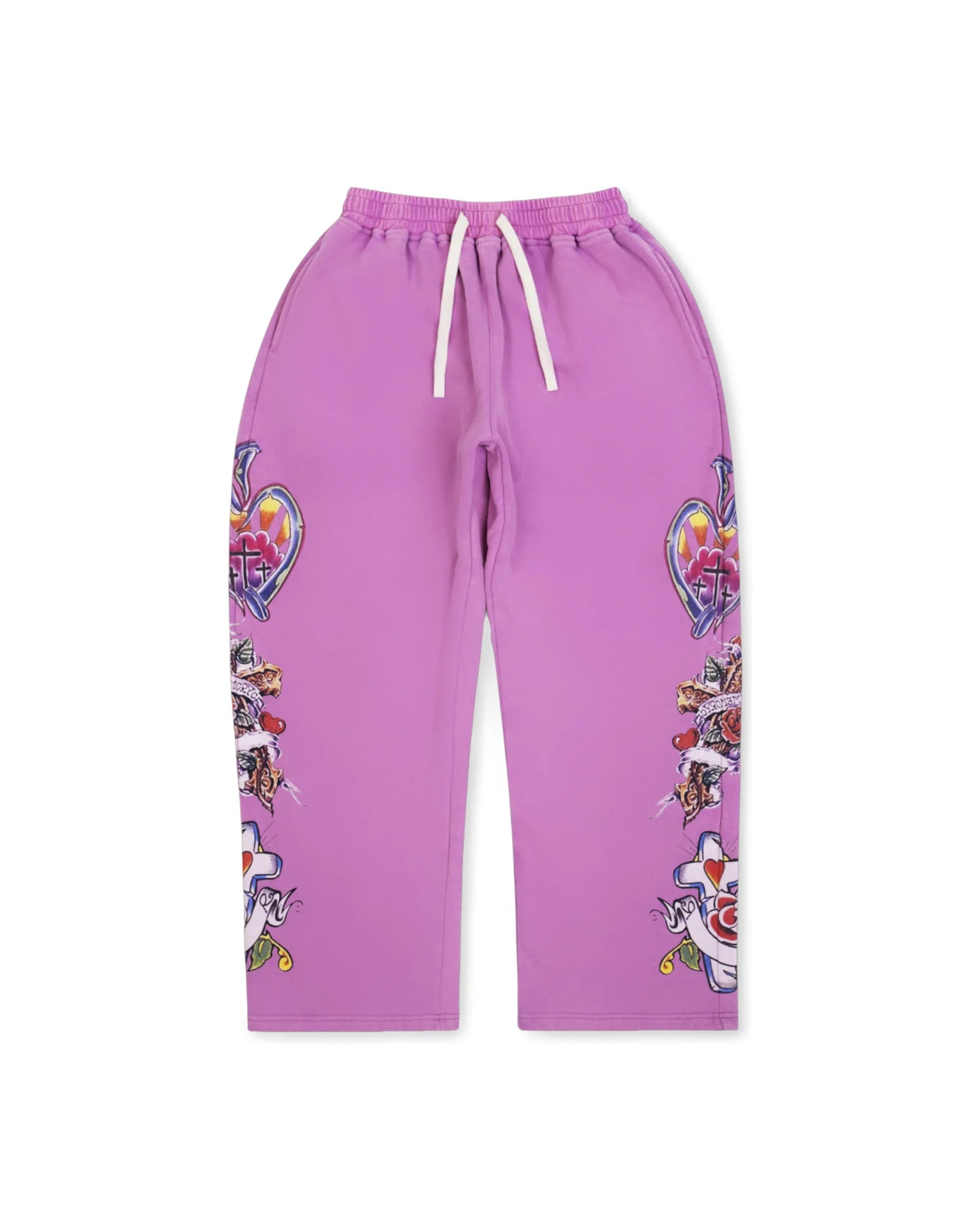
Debates over fit dominate virtually every streetwear review in 2026, and the Righteous lineup is not spared from that examination. The wider shift has moved decisively toward looser, boxier cuts for hoodies and tees, while bottoms have leaned into tapered and straight silhouettes rather than the extremely narrow fits favored a decade prior. Brands that misjudge this balance — going too slim on top or too wide on the bottom — tend to draw the most critical feedback in reviews.
For shoppers comparing a Righteous hoodie against other options in their closet, the practical advice holds across the category: check the label’s particular sizing chart for each collection rather than expecting it to match unrelated labels, since fabric weight and cut can change quite a bit between drops. This holds true across streetwear as a whole and isn’t a critique aimed at one brand alone, but it’s worth reiterating because fit-related complaints are still the top driver of returns across the industry.
The Brand’s Position Going Into the Rest of 2026
Streetwear’s core focus has migrated toward brands that can justify their existence beyond aesthetics alone, and that drift plays directly into how We Are Righteous is positioned. The brand isn’t trying to out-hype the logo-driven giants or out-engineer the techwear specialists — it’s constructing itself upon a purpose-driven persona that a noticeably expanding slice of the consumer base are actively searching for. That doesn’t guarantee long-term dominance, but it does mean the brand is aligned with where consumer sentiment is actually heading rather than where it used to be five years ago.
The next twelve months will likely be a proving ground for whether Righteous clothing can scale that identity-driven approach without losing the authenticity that differentiates it from brands that treat faith or values as a marketing gimmick. Whether the brand earns a lasting place within the identity-driven streetwear conversation or remains a smaller niche player will be shaped by reliable sizing, openness in customer feedback, and sustained focus on flagship pieces like the hoodie. Looking at the current trajectory and where 2026 streetwear demand seems to be trending, the core elements are in place for that stronger outcome.
Sorry, the comment form is closed at this time.